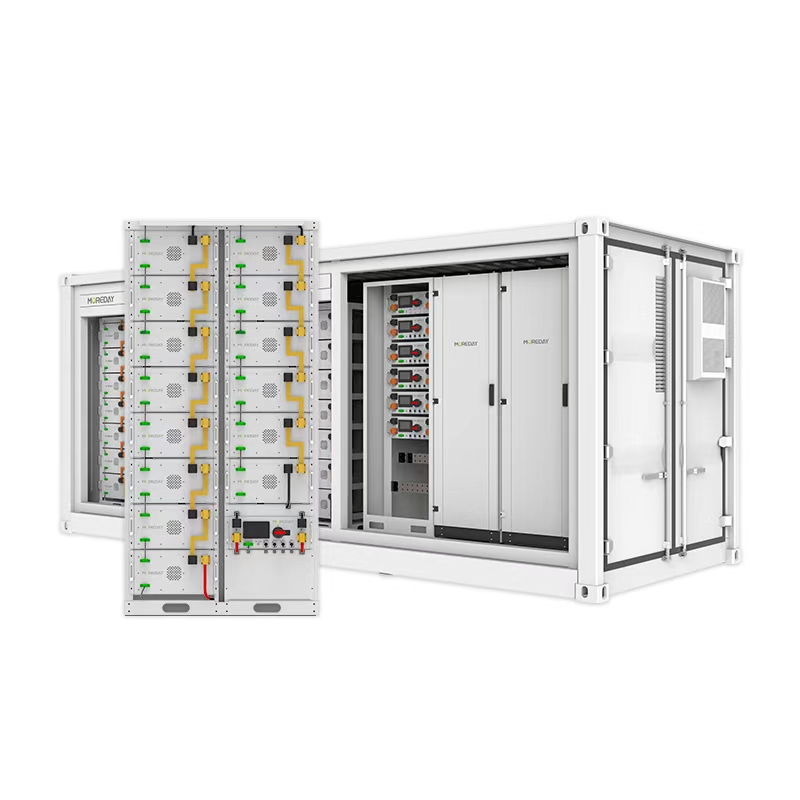
An Energy Storage System (ESS) is a technology that stores energy for later use. It captures energy when production exceeds demand and releases it when energy is needed, helping improve power reliability, efficiency, and flexibility.
Table of Contents
ToggleHow Does an Energy Storage System Work?
An ESS works in three basic steps:
Energy charging – Energy is stored from sources like solar panels, the power grid, or generators
Energy storage – The energy is held in batteries or other storage media
Energy discharging – Stored energy is released to power loads when required
In solar systems, ESS typically stores excess daytime solar energy and supplies power at night or during grid outages.
Main Types of Energy Storage Systems
Battery Energy Storage System (BESS)
The most common type of ESS today, especially lithium-ion and LiFePO₄ batteries.
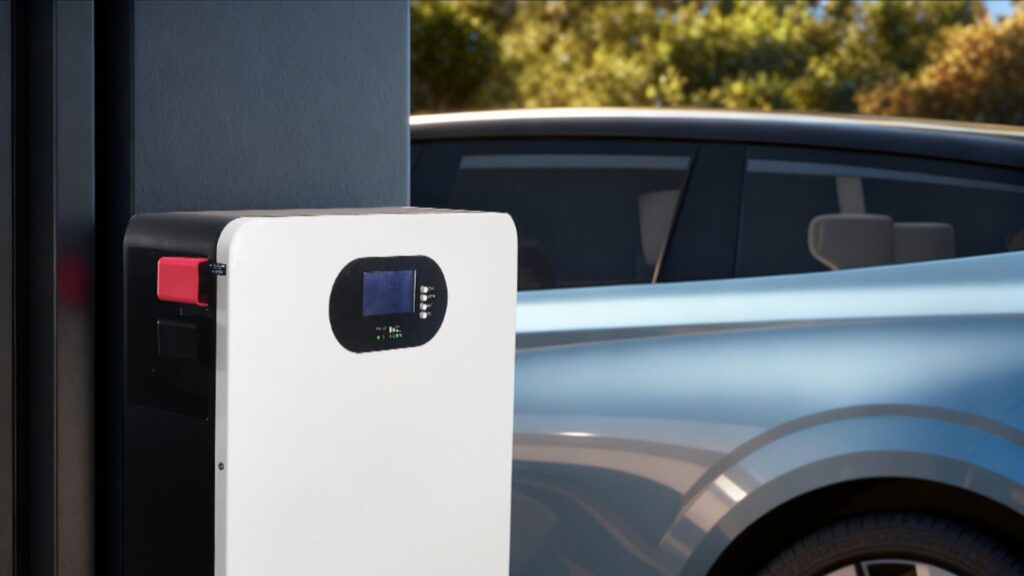
Used in home, commercial, and industrial applications.
Mechanical Energy Storage
Includes pumped hydro, compressed air, and flywheels.
Mainly used for large-scale grid applications rather than residential systems.
Thermal Energy Storage
Stores energy in the form of heat or cold, often used in HVAC and industrial processes.
Key Applications of ESS
Home Energy Storage
Store solar energy for night use
Backup power during outages
Reduce electricity bills
Commercial & Industrial Energy Storage
Peak shaving and load management
Reduce demand charges
Improve power stability
Solar + Storage Systems
ESS enhances solar systems by improving self-consumption and energy independence.
Benefits of Energy Storage Systems
Improved energy reliability
Better use of renewable energy
Lower electricity costs
Reduced grid dependence
Enhanced power quality
These advantages make ESS essential for both distributed energy systems and modern power grids.
ESS vs Traditional Power Supply
| Feature | Traditional Power | Energy Storage System |
|---|---|---|
| Power flexibility | Low | High |
| Backup capability | Limited | Strong |
| Renewable integration | Weak | Excellent |
| Energy efficiency | Lower | Higher |
Future Trends of Energy Storage Systems
The ESS market is rapidly evolving with trends such as:
Higher energy density batteries
Longer lifespan LiFePO₄ solutions
Smart energy management systems
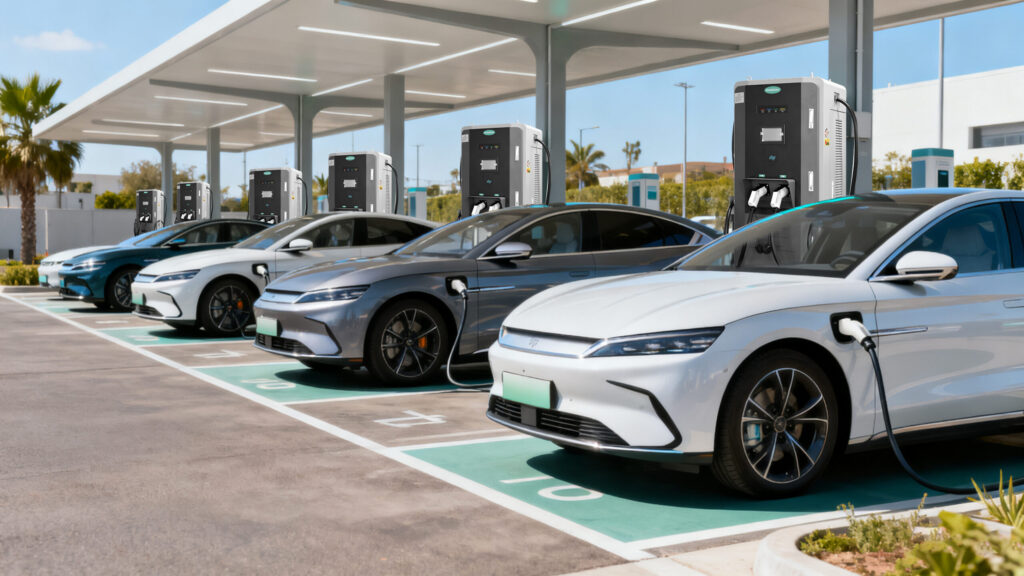
Deeper integration with solar and EV charging
Energy storage will continue to be a core technology for carbon neutrality and clean energy transition.
Conclusion
An Energy Storage System (ESS) is no longer optional—it is a critical component of modern energy systems. Whether for home solar storage, commercial energy management, or grid stability, ESS enables smarter, cleaner, and more reliable power use.
For businesses and installers, choosing the right ESS means better performance, safety, and long-term value.
ESS stands for Energy Storage System. It refers to technologies that store energy for later use, helping balance energy supply and demand.
The most widely used ESS today is the Battery Energy Storage System (BESS), especially lithium-ion and LiFePO₄ batteries used in solar and backup power applications.
Not exactly. A battery is a core component of an ESS, but a complete energy storage system also includes a battery management system (BMS), inverter, protection devices, and control systems.
Energy storage duration depends on the battery capacity and system design. Home systems typically store energy for several hours to one day, while commercial systems can be designed for longer durations.
Yes. An ESS can store energy from the utility grid or a generator, and it can also operate independently of solar panels as a backup or load management solution.
Low-voltage ESS is commonly used for residential systems, while high-voltage ESS is preferred for commercial and large-capacity applications due to higher efficiency and scalability.
Modern ESS solutions are designed with multiple safety protections, including BMS, circuit protection, temperature monitoring, and certified battery cells, ensuring safe operation when properly installed.
Most lithium-based ESS batteries are designed for 6,000+ charge cycles or 10–15 years, depending on usage patterns and environmental conditions.
Key benefits include backup power, better solar energy utilization, lower electricity bills, and improved energy independence.

Ryan Huang
Hello everyone, I’m Ryan Huang, founder of Moreday, a company specializing in solar-powered ev charging solutions and pv power transmission and distribution. Over the past 17 years, we’ve helped nearly 6000 customers in 67 countries (including farms, residential, industrial, and commercial users) solve their renewable energy and green power needs. This article aims to share more knowledge about renewable energy and solar power, bringing sustainable electricity to every household.